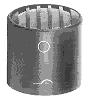
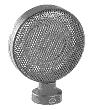
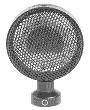
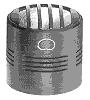
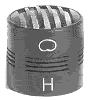
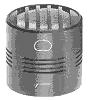
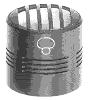
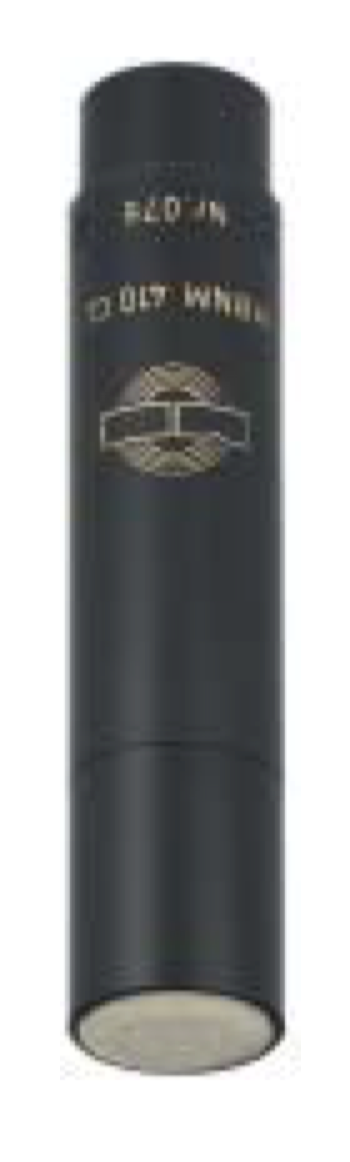
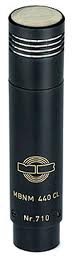
Our compact body (85mm) true condenser type with integrated capsule and amplifier is available in two models the MBNM 440 cardioid and the MBNM 410 omni. Using advanced SMD technology with an extremely short signal path and low phantom power consumption plus the ability to accept voltages from 22 to 48 V, these microphones are well suited for battery operation. With a non-reflective lacquered mat black housing, precise and stunning sound reproduction is available at an entry-level price.
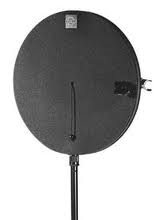
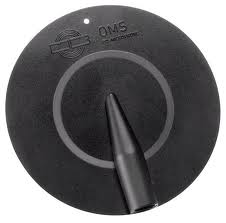
What you are looking at is not an extraterrestrial spa-cecraft but a "Schneider disc". The Schneider disc is a variation of the Jecklin disc developed by Jürgen Jeck-lin for his stereo microphone technique known as Opti-mal Stereo Signal (OSS). The idea behind OSS is to use a pair of spaced omnidirectional microphones approximately 6 inches apart (roughly the distance bet-ween the human ears) with a disc placed in between the spaced pair. The disc is covered with a thin layer of foam intended to absorb high frequencies - thus impro-ving stereo separation between the microphones. The difference between the two types of discs is the foam sphere at the center of the Schneider disc, which redu-ces the amount of high-frequency energy reflected from the disc, and results in an increase of stereo separation.Below approximately 200 Hz, the Schneider disc has little (if any) effect on the stereo signal because the audio wavelength is large enough to bend around thedisc, equally reaching both microphones. However as frequency increases above 200 Hz, the Schneider disc's foam sphere increases stereo separation between the spaced pair.
omni pattern - features 6 dB peak at 8-9 kHz for more distant pickup - recommended for outdoor recordings if less directivity is desired - frequency response 10 - 20.000 HKA 100 DK
recommended preamp MBP 603 (A) MBP 680 MBP 648 (A)
frequency response Hz 10 - 20.000 10 - 20.000 10 - 20.000
sensivity 12 mV/Pa 6 mV/Pa 6 mV/Pa
signal to noise ratio CCIR 68 dB 62 dB 67 dB
equivalent SPL rated at CCIR 26 dB 32 dB 27 dB
signal to noise ratio DIN/ IEC 80 dB 75 dB 80 dB
equivalent SPL rated at DIN / IEC 14 dB 19 dB 14 dB
max. spl 132 dB 132 dB 132 dB
size ø 21 x 20 m
A constant frequency response if the sound impinges frontally upon the capsule. This leads to a natural tonal response. With a non-axis impingement of sound upon the microphone, a decay of treble results. This effect is relevant when sound quotas come from other angles than 0°, for instance by reflectionsKA 100 LK
recommended preamp MBP 603 (A) MBP 680 MBP 648 (A)
frequency response Hz 10 - 20.000 10 - 20.000 10 - 20.000
sensivity 12 mV/Pa 6 mV/Pa 6 mV/Pa
signal to noise ratio CCIR 68 dB 62 dB 67 dB
equivalent SPL rated at CCIR 26 dB 32 dB 27 dB
signal to noise ratio DIN/ IEC 80 dB 75 dB 80 dB
equivalent SPL rated at DIN / IEC 14 dB 19 dB 14 dB
max. spl 132 dB 132 dB 132 dB
size ø 21 x 20 mm
Our large diaphragm capsule with cardioid characteristic is an ideal solution for recording of singers, choirs,piano, saxophone and guitar. The pleasing warm sound has a fine-drawing, nice and airy effect. The vintage capsule design features gold sputtered membran and brass back platspecificationsKA 1000 N
recommended preamp MBP 603 (A) MBP 648 (A)
frequency response 10 - 20.000 Hz 10 - 20.000 Hz
sensitivity 11 mV/Pa 11 mV/Pa
signal to noise ratio CCIR 67 dB 67 dB
equivalent SPL rated at CCIR 27 dB 27 dB
signal to noise ratio DIN/IEC 79 dB 79 dB
equivalent SPL rated at DIN/IEC 15 dB 15 dB
max. spl 132 dB 132 dB
size ø 50 x 20 m
The 35 mm double-diaphragm system with gold sputtered polyester foil 6 µm is manufactured with precision and tolerances in the µ-range. Recordings sound particularly preciseKA 1100 K
recommended preamp MBP 603 (A) MBP 648 (A)
frequency response 5 - 20.000 Hz 5 - 20.000 Hz
sensitivity 11 mV/Pa 11 mV/Pa
signal to noise ratio CCIR 67 dB 67 dB
equivalent SPL rated at CCIR 27 dB 27 dB
signal to noise ratio DIN/IEC 79 dB 79 dB
equivalent SPL rated at DIN/IEC 15 dB 15 dB
max. s
cardioid pattern - highly versatile capsule - maximum rejection on rear-incident sound - X/Y recordings or Mid-Side configuration - frequency response 40 - 20.000 Hz - neutral record space + 135KA 200 N cardioid
recommended preamp MBP 603 (A) MBP 680 MBP 648 (A)
frequency response Hz 40 - 20.000 40 - 20.000 40 - 20.000
sensitivity 14 mV/Pa 7 mV/Pa 7 mV/Pa
signal to noise ratio CCIR 69 dB 63 dB 68 dB
equivalent SPL rated at CCIR 25 dB 31 dB 26 dB
signal to noise ratio DIN / IEC 82 dB 76 dB 81 dB
equivalent SPL rated at DIN / IEC 12 dB 18 dB 13 dB
max. spl 130 dB 130 dB 130 dB
size ø 21 x 20 m
wide cardioid pattern - slight increase in low-frequency reproduction (compared to KA 200) - frequency response 20 - 20.000 HzKA 300 NB
recommended preamp MBP 603 (A) MBP 680 MBP 648 (A)
frequency response Hz 20 - 20.000 20 - 20.000 20 - 20.000
sensitivity 12 mV/Pa 6 mV/Pa 6 mV/Pa
signal to noise ratio CCIR 68 dB 62 dB 67 dB
equivalent SPL rated at CCIR 26 dB 32 dB 27 dB
signal to noise ratio at DIN / IEC 80 dB 75 dB 80 dB
equivalent SPL rated at DIN / IEC 14 dB 19 dB 14 dB
max. SPL 130 dB 130 dB 130 dB
size ø 21 x 20 m
cardioid speech optimized - 12 dB low cut at 50 Hz - frequency response 50 - 20.000 HzKA 400 N cardioid
recommended preamp MBP 603 (A) MBP 680 MBP 648 (A)
frequency response Hz 50 - 20.000 50 - 20.000 50 - 20.000
sensitivity 15 mV/Pa 7 mV/Pa 7 mV/Pa
signal to noise ratio CCIR 70 dB 63 dB 68 dB
equivalent SPL rated at CCIR 24 dB 31 dB 26 dB
signal to noise ratio DIN / IEC 83 dB 76 dB 81 dB
equivalent SPL rated at DIN / IEC 11 dB 18 dB 13 dB
max. SPL 131 dB 131 dB 131 dB
size ø 21 x 20 m
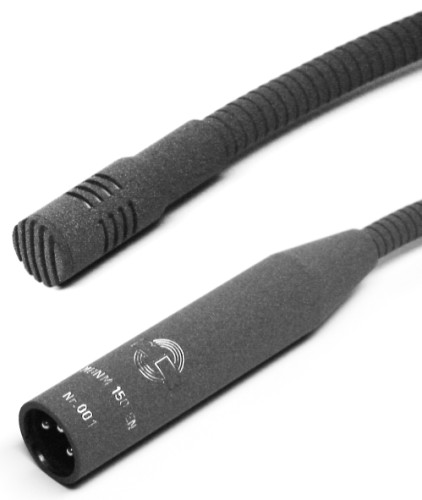
The MBNM 150 EN represents the sum total of exhaustive research into just what would repres the îperfect electret podium microphoneî. The elect cardioid capsule is mounted on a fully adjustable g seneck. The 12 mm fixed capsule has extraordina well off axis rejection with built in compensation for proximity effect. Sleek industrial design with a g Nextel finish make the microphone seems as visu transparent as it sounds! While an XLR serves as output connector, the microphone can shipped wit 3/8î threaded sleeve with a lateral outlet and a 3 cable to the preamp. Awide voltage range is acco modated with extremely stable operating results.specifications
directional characteristic cardioid
sound source direction axial
phantom power / feed current 48 V / ca. 1,7 mA
frequency response 80 - 20.000 Hz
sensitivity of field idling 1,0 mV/µbar
at 1 k? -1 kHz 10 mV/Pa
signal to noise ratio rated at 1 Pa. CCIR 61 dB
signal to noise ratio rated at CCIR 33 dB
equivalent SPLrated at DIN / IEC 73 dB-A
equivalent SPLrated at CCIR 21 dB-A
max. spl at 1 k? 130 dB
electrical impedance 200 ?
connector XLR / 3/8ì
size / weight ¯ 12 /19 x 350 mm / 160 g
Our compact body (85mm) true condenser type with integra-ted capsule and amplifier is available in two models, the MBNM 440 cardioid and the MBNM 410 omni. Using advan-ced SMD technology with an extremely short signal path and low phantom power consumption plus the ability to accept voltages from 22 to 48 V, these microphones are well suited for battery operation. With a non-reflective lacquered mat black housing, precise and stunning sound reproduction is available at an entry-level price. specifications
pattern- omni
frequency response 15 - 20.000 Hz
sensitivity of field idling 0,7 mV/µbar
1 k? at 1 kHz 7 mV/Pa
rated at 1 Pa CCIR 66 dB
equivalent SPLrated at CCIR 28 dB
A-rated at 1 Pa. 80 dB-A
equivalent SPLrated at DIN / IEC 14 dB-A
max.spl at 1 k? 126 dB
electrical impedance 200 ?
phantom power / feed current 1,7 mA
sizes without XLR ¯ ¯ 21 x 85 mm
connectors XLR
The MBM 410 PZ offers easy handling solutions for smaller venues combined with an truly unbelie-vable sound image. The MBM 410 PZ proved to be the perfect microphone solution for venues such as theatres and conference rooms which do not employ full time sound engineers and the spea-ker/artist is often in charge of the sound system.The MBM 410 PZ is securely suspended by three safety mounting clips about 8 -10 feet above the sound source and the audio quality provide by this PZM is purely stunning. One to four different MBM 410 PZ may be used to cover larger recording areas such in as larger stages or conference cen-tres etc. The MBM 410 PZ comes in an inconspi-cuous gray lacquered finish and incluedes one MBNM 410.
pattern 410 - omni
frequency response15 - 20.000 Hz
sensitivity of field idling0,7 mV/µbar
1 k? at 1 kHz 7 mV/Pa
signal to noise ratio
rated at 1 Pa CCIR 66 dB
equivalent SPLrated at CCIR 28 dB
signal to noise ratio 80 dB
equivalent SPLrated at DIN / IEC 14 dB-A
max.spl at 1 k? 126 dB
electrical impedance 200 ?
phantom power22 - 48 V
plate size/ weight 800 x 800 mm / 6 kg
connectorsXLR
Our compact body (85mm) true condenser type with integra-ted capsule and amplifier is available in two models, the MBNM 440 cardioid and the MBNM 410 omni. Using advan-ced SMD technology with an extremely short signal path and low phantom power consumption plus the ability to accept voltages from 22 to 48 V, these microphones are well suited for battery operation. With a non-reflective lacquered mat black housing, precise and stunning sound reproduction is available at an entry-level price. specifications
pattern440 - cardioid
frequency response40 - 20.000 Hz
sensitivity of field idling0,7 mV/µbar
1 k? at 1 kHz 7 mV/Pa
rated at 1 Pa CCIR 66 dB
equivalent SPLrated at CCIR 28 dB
A-rated at 1 Pa. 80 dB-A80 dB-A
equivalent SPLrated at DIN / IEC14 dB-A
max.spl at 1 k? 126 dB
electrical impedance 200 ?
phantom power / feed current22 - 48 V
sizes without XLR ¯ 21 x 85 mm
connectorsXLR
The MBNM 440 S model features a switchable 10 dB pa and a high pass filteOur compact body (85mm) true condenser type with integra-ted capsule and amplifier is available in two models, the MBNM 440 cardioid and the MBNM 410 omni. Using advan-ced SMD technology with an extremely short signal path and low phantom power consumption plus the ability to accept voltages from 22 to 48 V, these microphones are well suited for battery operation. With a non-reflective lacquered mat black housing, precise and stunning sound reproduction is available at an entry-level price. specifications
pattern440 - cardioid
frequency response40 - 20.000 Hz
sensitivity of field idling0,7 mV/µbar
1 k? at 1 kHz 7 mV/Pa
rated at 1 Pa CCIR 66 dB
equivalent SPLrated at CCIR 28 dB
A-rated at 1 Pa. 80 dB-A80 dB-A
equivalent SPLrated at DIN / IEC14 dB-A
max.spl at 1 k? 126 dB
electrical impedance 200 ?
phantom power / feed current22 - 48 V
sizes without XLR ¯ 21 x 85 mm
connectorsXLR
Primarily designed for calibration purposes, the MBNM 550 ELis an electret omni with superb linearity characteristics. As it is a neutral ( + 1 or - 0 dB) microphone with response at the tip nearly matching its response at the side or back, many prefer utilizing this microphone to minimize sound balance problems while recording solo instruments or voices in the near field. The capsule easures only 6 mm and works well with voltages from 16 - 48 V. Each MBNM 550 ELmicropho-ne is supplied with an individual test chart. specifications
frequency response 10 - 20.000 Hz
sensitivity of field idling 0,6 mV/µbar
sensitivity of field idling with
1 k? at 1 kHz 6 mV/µbar
signal to noise ratio rated at 1 Pa CCIR 64 dB
equivalent SPLrated at CCIR 30 dB
max. spl at 1 k? 126 dB
electrical impedance 500 ?
size ¯ 21 x 190 mm
connector XLR
phantom power / feed current16 - 48 V / 5,5 mA
With room acoustics in mind, a classic PZM microphone that may be laid on the floor in front of the source was developed. The microphone performs over a wide voltage range (from 10 to 48 V) has a symmetrical design and includes an XLR connector. This product imparts excellent transient response plus extremely wide, smooth frequency response. Press: DRUM! Magazine June 2001 MBNM 622:ìIt (MBNM 622) was pretty incredible.î K. Stackpole specifications
frequency response10 - 26.000 Hz
directional characteristic omni-directional
sensitivity of field idling 1 k at 1 kHz 5 mV / Pa
electrical impedance200 ?
nominal load impedance = 800
max. spl - 0,5 % THD at 1 k 130 dB
phantom power DIN 45596 16 - 48 V
feed current0,5 mA
connector XLR DIN 45599 Pin 1 shield, Pin 2+, Pin 3-
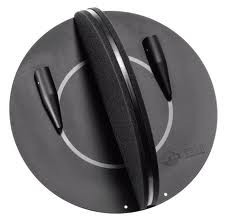
An MBHO original, the MBNM 622 PZM is based on the Jecklin disc. The Jecklin disc provides a natural stereophony, combining the hemispherical attributes of the planer (PZM). The MBNM 622 has become a standard for recording high quality samples. In many cases this stereo PZM can replace the need for con-ventional microphones. Voltages from 10 to 48 V are accommodated with XLR connectors on each output.Performance that truly belies the entry-level price,point and shoot! specifications
frequency response10 - 26.000 Hz
directional characteristicomni-directional
sensitivity of field idling 1 k? at 1 kHz 5 mV / Pa
electrical impedance200
nominal load impedance = 800
max. spl - 0,5 % THD at 1 k? 130 dB
phantom power DIN 45596 16 - 48 V
feed current 2 x 0,5 mA
connector XLR DIN 45599 / Pin 1 shield / Pin 2 NF+ /Pin 3 NF-
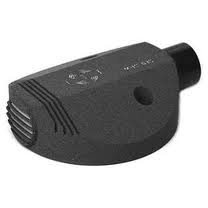
The MBNM 630 is a half-cardioid true con-denser PZM in an ultra compact sleek Nextel finish. The two component mat finish is non reflective. In addition to the non-skid pad on the bottom, the unit has a screwable housing made of solid brass.This model exhibits extreme stability and very low noise by any known reference. The MBNM 630 is essential in discrete settings where the highest quality is needed. specifications
directional characteristic half cardioid / axial
signal to noise ratio DIN 454051,5 µV
phantom power / feed current 48 V / ca. 1,8 mA
frequency response20 - 20.000 Hz
sensitivity of field idling 0,7 mV/µbar
at 1 k? at 1 kHz7 mV/Pa
signal to noise ratio rated at 1 Pa. CCIR 74 dB
equivalent SPLrated at DIN / IEC 20 dB
signal to noise ratio rated DIN / IEC at 1 Pa. 87 dB-A
equivalent SPLrated at DIN / IEC 7 dB-A
max. spl at 1 k? 130 dB
electrical impedance200 ?
connector / size / weight XLR / ¯ 70 x 21 mm / 440 g
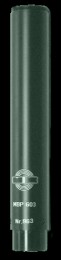
MBHO MBP 603The 603 microphone amplifier has a sophisticated electronic circuit which is composed of an audio frequency amplifier and a DC converter. The 603 can accomodate all different types of MBHO capsules. The usual transformer is replaced by a symmetrical output amplifier without loosing it's positive qualitites. The benefits of transformerless technology are a particularly high dynamic range in the total transmission range, an exceptionally coloration-free sound, and a frequency independent harmonic precision without partials or artifacts.Specifications Phantom Power16 - 48 VFeed Current4,5 mAElectrical Impedance35 OhmConnectorXLRSize21 X 122 mm